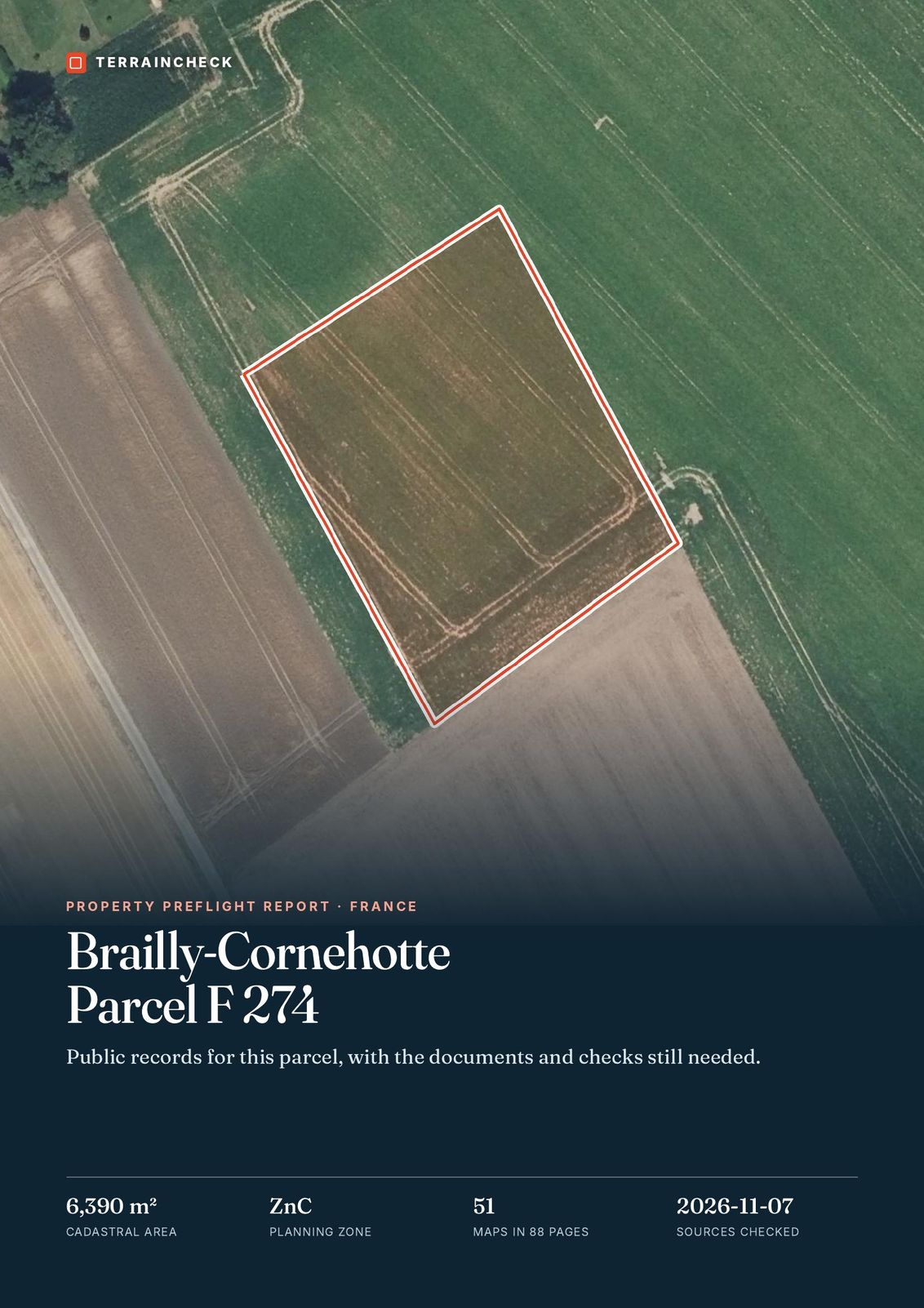
Pillar: Buying building land in France
Non-mains sewage and the Spanc in France: zoning, soil and the certificate before the building permit
In France, a house that is not connected to the public sewer must have its own sewage system, and the building permit file must then include the certificate of compliance for the planned system issued by the Spanc, the local non-mains sewage service (Planning Code, art. R431-16). First step before making an offer: look at the commune’s drainage zoning map at the mairie (town hall), then ask the Spanc for its service rules.
In brief
- Zoning. The commune (the French municipality) or its intercommunal body maps, after a public inquiry, the areas served by mains drainage and those left to non-mains systems (Local Authorities Code, art. L2224-10). A mains-drainage zone does not mean a sewer runs past the plot.
- Spanc. The service public d’assainissement non collectif, the local non-mains sewage service, checks the design of a new system on paper, then the works before backfilling (art. L2224-8). Its design report contains the certificate for the building permit file.
- Soil. Treatment by the natural soil requires, among other things, a permeability of 15 to 500 mm/h over at least 0.70 m and no water table within one metre of the trench bottom, outside exceptional high water; otherwise a reconstituted bed or an approved system (order of 7 September 2009, art. 6 and 7).
- Cost. Charges are set locally: at Guingamp-Paimpol Agglomération in 2026, for up to 20 PE, €136 (design) + €140 (works) = €276. The same list’s “service charge” (€18 a year on the water bill under the option spread over 10 years, or €180 under the flat-rate option) pays for the periodic check, so do not add it to the project by default. Soil study and installation: by quotation.
- Time. The orders cited set no deadline for the Spanc’s opinion. Certificate missing from a permit application: the mairie (town hall) can ask for it by registered letter within a month of filing; you then have three months from receiving that letter to supply it, or the application is refused by default (art. R*423-38 to R*423-41).
On this page
Mains drainage or not: what the zoning map says
In mains-drainage zones the local authority must collect and treat wastewater; in non-mains zones it must inspect private systems (Local Authorities Code, art. L2224-10). The map can be seen at the mairie and, where applicable, is annexed to the plan local d’urbanisme (PLU), the local zoning plan (Planning Code, art. R151-53).
According to the national report of the Sispea water services observatory, every dwelling relies by default on a non-mains system until a sewer has been laid and brought into service in the public road it fronts.
- Mairie, planning desk: the zoning map. Ask for the zonage d’assainissement and the name of the Spanc (commune or group of communes). Time: one visit or an email (TerrainCheck estimate).
- Mains drainage service, if the plot is in a mains-drainage zone. Ask in writing whether a sewer is in service in front of the plot. The texts cited set no deadline for the reply. Duty to connect and the PFAC charge: sewer connection; other networks: serviced or unserviced plot.
- Spanc: the service rules. The règlement de service has to list the documents needed for a new system (order of 27 April 2012, art. 7), so any compulsory soil study appears there. Time: one email request (TerrainCheck estimate).
Sources: Local Authorities Code, art. L2224-10; Planning Code, art. R151-53; OFB, Sispea national report, 2024 data (2026), pp. 36 and 72; Order of 27 April 2012 (inspection). Accessed 13 November 2026.
Can the plot treat its own wastewater?
The Spanc checks on paper, and on site if needed, that the design complies with the order of 7 September 2009, which covers systems receiving up to 1.2 kg a day of BOD5, the standard measure of organic pollution (order of 27 April 2012, art. 3). Treatment by the natural soil is only allowed if five conditions are met: the plot is large enough, it is not on land liable to flood except exceptionally, the slope is suitable, permeability is 15 to 500 mm/h over at least 0.70 m, and there is no water table within one metre of the trench bottom outside exceptional high water. Otherwise, a reconstituted bed or an approved system (art. 6 and 7).
The types of system, the space they need and what drives their price are covered in our guide to septic tanks and micro treatment plants.
Soil study: who can require it
Communes may “set technical requirements, in particular for the soil study or the choice of system” (Local Authorities Code, art. L2224-8). Service-Public, the government’s information site, adds that the extra cost falls on the owner. The Spanc’s rules therefore tell you whether a soil study of the plot must go with your file. This study is about whether the soil can treat and absorb wastewater; it is not the geotechnical study for the foundations.
The design must also keep 35 metres from a declared drinking-water abstraction point (captage, such as a well or borehole), unless stricter rules or the particular situations allowed by the 2009 order apply (art. 4), and show where the treated water goes (art. 11 and 12, see the diagram).
Sources: Local Authorities Code, art. L2224-8; Non-mains sewage portal: requirements set by the commune; Service-Public: non-mains drainage; Order of 27 April 2012 (inspection); Order of 7 September 2009 as amended (technical rules). Accessed 13 November 2026.
Before the permit: the Spanc certificate
When the project includes building a non-mains system, the building permit file must contain the document certifying that the planned system complies with the regulations (Planning Code, art. R431-16, d). The permis de construire is the French building permit, issued through the mairie.
The Spanc reviews the owner’s file, with a site visit if needed. It issues a design report listing the points checked, any gaps and the compliant items, together with the certificate required by article R431-16 (order of 27 April 2012, art. 3).
| Step | Who | What you get | Time |
|---|---|---|---|
| Zoning | Mairie | Mains or non-mains zone | One visit (TerrainCheck estimate) |
| Soil study, if the rules require it | Consultancy of your choice | Soil data, sizing | By quotation |
| Design check | Spanc | Design report with certificate of compliance | No deadline in the order of 27 April 2012 |
| Building permit | Mairie | File including the certificate (R431-16, d) | Missing item: requested within a month of filing; 3 months to supply it from receipt of the letter |
| Works check | Spanc, on site | Report on the works | Visit before backfilling |
| Operation check | Spanc | Inspection document | Every 10 years at most |
The steps for a new system, from zoning to periodic inspection. Sources: Local Authorities Code, art. L2224-10; Order of 27 April 2012 (inspection); Planning Code, art. R431-16; Planning Code, art. R*423-38; Planning Code, art. R*423-39; Planning Code, art. R*423-40; Planning Code, art. R*423-41; Local Authorities Code, art. L2224-8. Accessed 13 November 2026.
For the works check, the Spanc visits before backfilling. If the system does not comply, its report lists the work needed and a second visit follows, again before backfilling; notice of a visit comes at least seven working days ahead (order of 27 April 2012, art. 3 and 6).
Allow for the Spanc in your timetable: neither the 2009 nor the 2012 order sets how long its review may take. If the certificate is missing, the mairie has one month from receiving or filing the application to ask for it by registered letter with proof of receipt; you then have three months from receiving that letter, or the application is refused by default, and processing only starts once the items reach the mairie (R*423-38, R*423-39). A new request within that month replaces the first and restarts the three months (R*423-40); a later request, or one for a document the code does not require, does not change the processing period (R*423-41). Details in our guide to building permit processing times.
Sources: Planning Code, art. R431-16; Order of 27 April 2012 (inspection); Service-Public: non-mains drainage. Accessed 13 November 2026.
What the Spanc inspections cost
The inspection part of the non-mains sewage charge is billed to the owner. Rates are voted by the authority that runs the Spanc (Service-Public names the municipal council): there is no national price.
Example: Guingamp-Paimpol Agglomération, rates from 1 January 2026 for a system of up to 20 PE (population equivalent): design and siting check €136; works check €140. For a new house: €136 + €140 = €276.
The same list sets a “service charge” (redevance de service): €18 under the option “spread over 10 years” (tarification échelonnée), €180 under the flat-rate option (tarification forfaitaire). The service’s 2024 annual report explains the spread option: an optional yearly charge added to the drinking-water bill to smooth the cost of the periodic inspection visit over 10 years. The €18 is therefore a yearly amount. It is not part of the project’s €276: ask the Spanc whether and when it will apply to your house.
The soil study and the installation are priced by quotation: see the cost of a septic tank or micro treatment plant.
Sources: Service-Public: non-mains drainage; Guingamp-Paimpol Agglomération: 2026 charges; Guingamp-Paimpol Agglomération: 2024 annual Spanc report, p. 27. Accessed 13 November 2026.
After the build: periodic inspections
Once the house is built, the Spanc inspects how the system works and is maintained, at intervals set by the commune that may not exceed ten years (Local Authorities Code, art. L2224-8). The owner remains responsible for maintenance, including emptying (Service-Public).
In 2024 the average compliance rate of the systems inspected since the services were set up was 63%, for the 1,290 services out of 2,148 that reported the indicator; it was 54% in 2013.
Sources: Local Authorities Code, art. L2224-8; Service-Public: drainage report on sale. Accessed 13 November 2026.
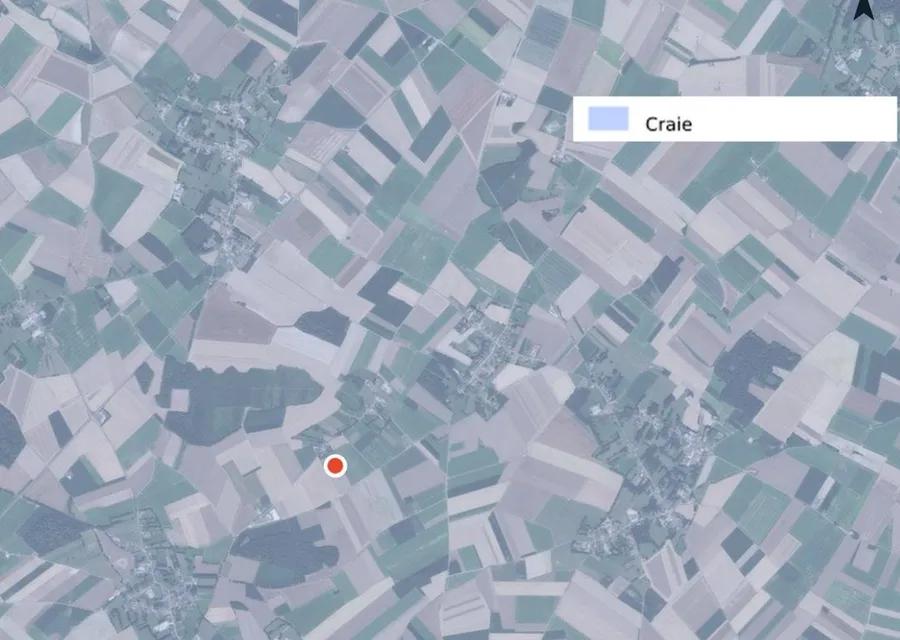
In the report: the bedrock under parcel F 274
Before the compromis: seven checks
- Zoning map seen at the mairie: mains or non-mains zone.
- In a mains zone: written answer on whether a sewer is in service in front of the plot.
- Name of the Spanc and its service rules in hand, with the list of documents to supply.
- Soil study required by the rules or not; quotation requested if it is.
- Declared drinking-water well within 35 metres: checked with the mairie and the neighbours.
- Possible position of the system drawn on the plan, with an outlet for the treated water.
- Spanc charges (design, works) and installation quotation in the budget.
Next: check that the land is buildable and go through the checks before the compromis.
Common questions
Does a plot in a mains-drainage zone always have a sewer?
No. The zoning sets the local authority’s duties, not whether a sewer is in service in front of the plot (see the Sispea rule above). Ask the drainage service for a written answer.
Who issues the certificate for the permit file, and what does it cost?
The Spanc, after its design check (order of 27 April 2012, art. 3). The charge is set locally: €136 in 2026 at Guingamp-Paimpol Agglomération for a system of up to 20 PE, plus €140 for the works check. The service charge (€18 a year under the option spread over 10 years, or €180 flat rate) relates to the periodic check, not the project: ask the Spanc when it applies.
Is a soil study compulsory?
The commune may require one through technical requirements (Local Authorities Code, art. L2224-8): read the Spanc’s service rules. In every case the Spanc checks that the design complies with the order of 7 September 2009 (order of 27 April 2012, art. 3).
Can a small plot take a non-mains system?
Treatment by the natural soil requires a large enough plot (order of 7 September 2009, art. 6); other approved or reconstituted-bed systems exist, and our guide to septic tanks and micro treatment plants compares the space they need. Have the position of the system drawn before you sign.
Keep reading
Septic tank, micro-station or sand filter in France: choosing by soil, and what drives the price
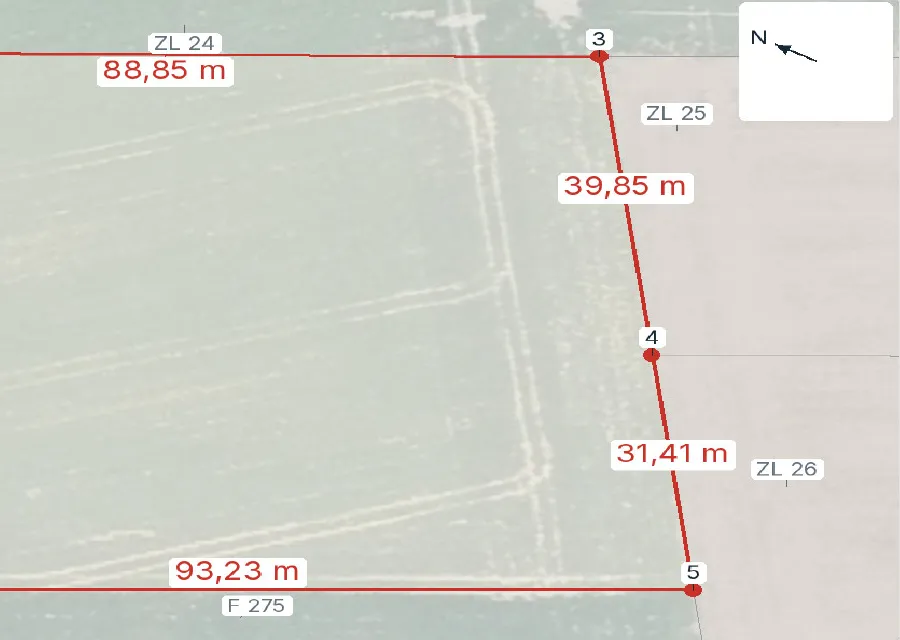
Sewer connection and the PFAC fee in France: duty, time limits and cost
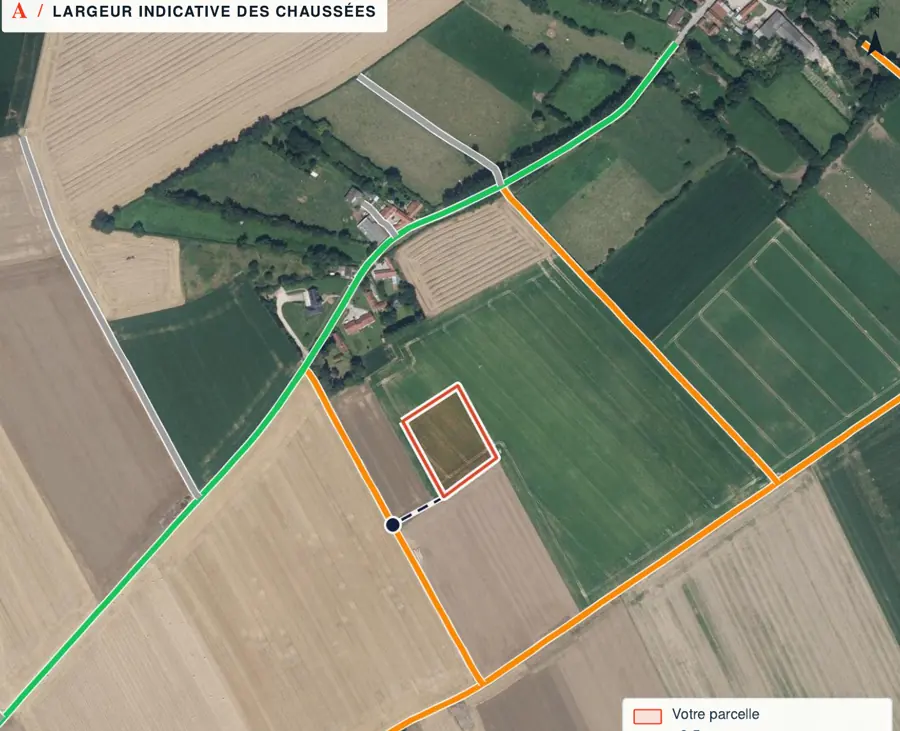
Serviced or unserviced plot in France: what “viabilisé” promises and how to check it
Building permit in France: processing times, missing documents and tacit approval
Locate the plot and what lies beneath it before you call the Spanc
Pick the parcel on the map. The report gives the regional geology from the BRGM, flooding, rising groundwater, watercourses and recorded boreholes nearby, the planning zone and recent sales nearby, each with its source and date, explained in English. It does not measure soil permeability and does not replace the Spanc’s opinion. Free preview, PDF report for €29 (€39 in French and English).