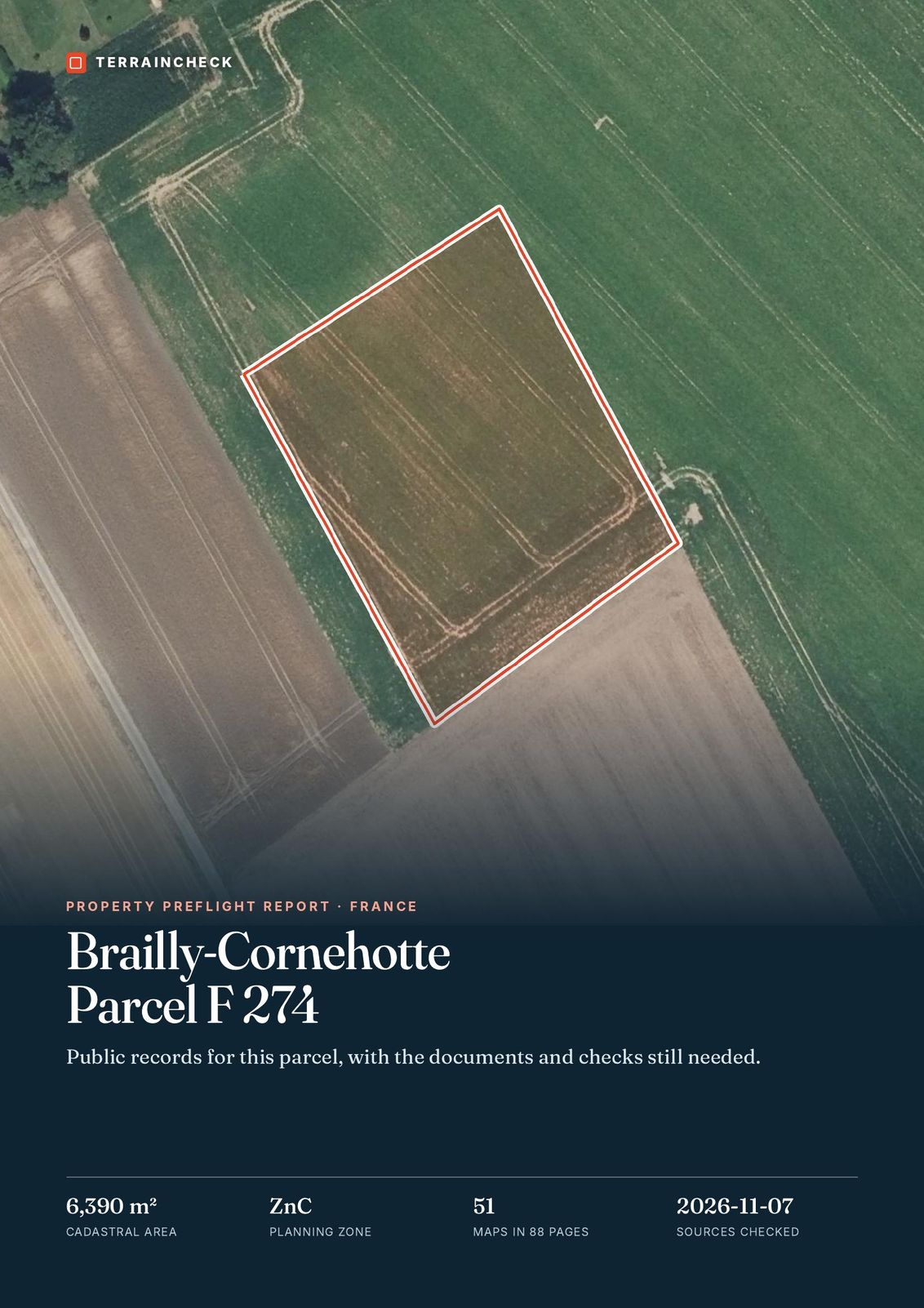
Pillar: Buying building land in France
Septic tank, micro-station or sand filter in France: choosing by soil, and what drives the price
In France, on a plot with no mains sewer, the soil decides first: if it absorbs water at 15 to 500 mm/h over at least 0.70 m and the other conditions of the order of 7 September 2009 are met, an all-waste septic tank followed by soakaway trenches in the natural soil is possible; otherwise you need a constructed sand filter or an approved unit (micro-station, compact filter, planted filter). There is no official price list, only quotes. First step: ask the mairie (town hall) for the sanitation zoning map and the SPANC’s service rules.
In brief
- The old fosse septique (septic tank, before 1982) took only toilet waste. Today’s fosse toutes eaux (all-waste tank) takes all the house’s waste water but only pre-treats it: a treatment stage must follow.
- Space to set aside, per the ministries’ 2012 guide: over 100 m² for soakaway trenches in natural soil, from 40 m² for a constructed sand filter, under 10 m² for a micro-station’s treatment unit, plus the area where the treated water soaks away.
- The SPANC (the public on-site sanitation service of the commune, the French municipality, or a group of communes) reviews the design before the building permit: its certificate of compliance goes into the permit file. It inspects the works before backfilling.
- The only average published by the ministries: €9,000 including VAT, design and works, for a complete system for a single-family house (2016 leaflet, from eco-loan files). Compare running costs over at least 15 years too.
On this page
Tank, filter or micro-station: what each type requires
An on-site system (assainissement non collectif, ANC) has four parts: collection, pre-treatment, treatment and disposal. In the traditional set-ups, an all-waste tank pre-treats the water, then the natural soil, or an imported sand bed, purifies it.
Other units must be approved by a notified body before they can be installed: compact filters, planted (reed-bed type) filters and micro-stations of several designs. Every approval notice, with its technical sheet, is published on the government on-site sanitation portal (in French). Read it before signing a quote: it sets the capacity, when to empty the unit and, in some cases, a ban on use in a second home.
| Type | Space (2012 guide) | Electricity | Empty when sludge reaches | Part-time use |
|---|---|---|---|---|
| Tank + soakaway in natural soil | over 100 m² | no, unless a pump chamber | 50% of working volume | yes |
| Tank + constructed sand filter | from 40 m² | no, unless a pump chamber | 50% | yes |
| Tank of at least 5 m³ + zeolite filter (5 main rooms at most) | under 20 m² + disposal | no, unless a pump chamber | 50% | yes |
| Tank + approved compact filter | under 20 m² + disposal | no, unless a pump chamber | 50% | yes |
| Approved planted filter | under 100 m² + disposal | no, unless a pump chamber | 50% | yes |
| Approved micro-station | under 10 m² + disposal | yes | 30%, unless the approval says otherwise | no, unless the approval says otherwise |
Features by type, from the summary table of the ministries’ guide (September 2012). For an approved unit, its approval notice prevails. Sources: Ministries for the environment and health: information guide on on-site sanitation systems (September 2012); Interministerial on-site sanitation portal: how often to empty; Interministerial on-site sanitation portal: approved treatment units. Accessed 13 November 2026.
Sizing goes by main rooms
Capacity, in population equivalents, equals the number of pièces principales (main rooms: rooms for living or sleeping under the French housing code, so kitchens, bathrooms and toilets do not count) unless that number is out of proportion with the occupants, in which case a specific study sets the basis. In a traditional set-up the all-waste tank holds at least 3 m³ for up to five main rooms, plus 1 m³ per extra room. The exception is the zeolite filter: it needs an all-waste tank of at least 5 m³ and is allowed only for a house with five main rooms at most.
A drained vertical sand filter needs 5 m² per main room, with a 20 m² minimum. For a six-room house: a tank of at least 3 + 1 = 4 m³ and a filter of at least 6 × 5 = 30 m², before the disposal area.
The soil decides: the rules of the order of 7 September 2009
Treatment by the natural soil is allowed only when every condition in article 6 of the order is met. Permeability is measured on the plot, with a permeability test (annex 1 names the Porchet test or an equivalent for trenches).
- permeability between 15 and 500 mm/h over at least 0.70 m of depth;
- no groundwater within 1 m of the bottom of the trench, exceptional high water aside;
- the plot is not on flood-prone land, save in exceptional cases, the slope is suitable and there is enough space.
Below 15 mm/h the annex calls for a drained vertical sand filter; above 500 mm/h, an undrained vertical bed with at least 0.70 m of washed silica sand. An approved unit treats the water whatever the soil, but the treated water still has to be disposed of under the rules shown below. An infiltration well is the last resort: it passes through an impermeable top layer to reach an underlying layer of 10 to 500 mm/h, and the commune authorises it on the basis of a hydrogeological study unless the unit’s approval notice says otherwise.
Unless stricter national or local rules apply, no system may be built within 35 m of a declared well or spring used for drinking water. That distance can be reduced only in particular situations that still guarantee water fit to drink.
From buying the plot to switching the system on
- At the mairie (town hall), before the compromis: the sanitation zoning map. After a public inquiry, the commune maps the areas served by mains sewers and those left to on-site systems. If a sewer runs past the plot, connection may become compulsory even in an on-site zone: see sewer connection and the PFAC fee. Ask the mairie or the SPANC how to get this map and how long it takes.
- The SPANC’s service rules (règlement de service). The commune may require a soil study or a particular type of system there, and the rules set the turnaround for reports, which the order of 27 April 2012 leaves open. Ask the mairie or the group of communes for them, and for the inspection charge, which is set locally and may be a flat fee.
- A plot-specific design study by an engineering consultancy (bureau d’études). Not compulsory nationwide, but the SPANC can require it. Cost given in the 2016 leaflet: about 10% of the works, plus 20% VAT. Time: as quoted. The geotechnical study for the house itself is a different document: see G1, G2 and G5 soil studies.
- The SPANC’s design review. It issues a report and, where needed, the certificate of compliance that goes into the building permit file (article R431-16 of the planning code). Cost: the local charge. Time: as set by the service rules.
- The works, then the SPANC inspection. Installation takes from a few hours to several days according to the 2012 guide. The SPANC visits before backfilling, so tell it before the trenches are closed.
- Upkeep. The owner has the system emptied by a contractor approved by the préfet (the State’s representative in the département). The SPANC then checks it at intervals of no more than ten years.
If you sign the compromis (the binding preliminary sale agreement) before you have these answers, a condition precedent on obtaining the building permit protects you: see conditions precedent in a land purchase.
What drives the price
There is no official price list. The leaflet published by the ministries in September 2016 gives an average of €9,000 including VAT, design and works, for a complete new system for a single-family house. It is drawn from zero-rate eco-loan files, a loan reserved for replacing systems with units that use no energy: a historical benchmark, not a current quote.
The same leaflet lists what moves a quote: the type and size of system, site access, and the ground (hard rock, clay, water, slope). On clay ground, also check the clay shrink-swell map. Worked example of the 10% rule: for €8,000 of works before VAT, the design study would cost about €800 before VAT, or about €960 with 20% VAT.
Costs over the years
The ministries advise comparing offers over at least 15 years. A unit that is cheap to buy can cost more to run, and the reverse holds for soil-based set-ups. Items to have priced in every quote:
- emptying, triggered by the sludge level (50% of working volume, 30% for some approved units): from several times a year to once every four or five years or less often, per the 2012 guide;
- electricity for a micro-station or a pump chamber;
- servicing and wearing parts; filter media are replaced on average every 15 years;
- the SPANC’s inspection charge.
The portal’s model quote (in French) separates supplies, labour, plot conditions and servicing costs. Ask contractors to follow it so the offers line up.
Grants: mainly for upgrades
The sanitation strand of the zero-rate eco-loan (éco-PTZ) lends up to €10,000, repayable over at most 15 years, to replace a system with a unit that uses no energy, in a main home built more than 2 years earlier. It does not cover a new-build house. For local grants (water agency, département), ask the SPANC.
Sources: Ministries: leaflet for owners of an on-site sanitation system (September 2016); Ministries for the environment and health: information guide on on-site sanitation systems (September 2012); Service-Public: zero-rate eco-loan, sanitation works. Accessed 13 November 2026.
Pitfalls
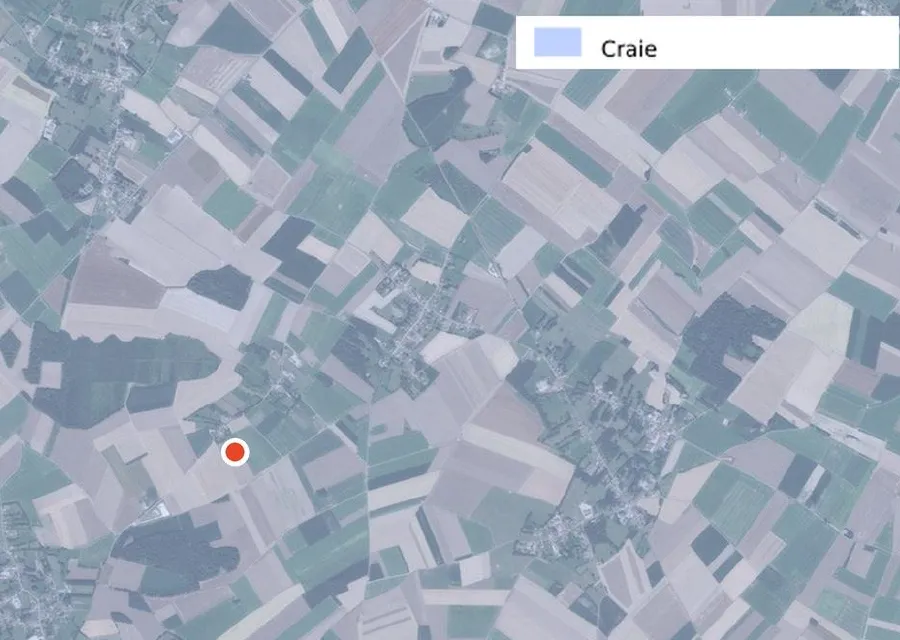
In the report: the geological setting of F 274
Before you sign: six checks
- Sanitation zoning checked at the mairie: mains sewer or on-site, sewer planned or not.
- SPANC service rules in hand: soil study required or not, turnaround, charges.
- Enough free space for the intended system and its disposal area, away from driveways.
- No declared drinking-water well within 35 m (or a stricter local distance); a reduction requires water still guaranteed fit to drink.
- For a micro-station: approval notice read (capacity, emptying, second-home use).
- Quotes compared over at least 15 years, using the portal’s model quote.
Next: serviced or unserviced plot and the total cost of buying land.
Common questions
Is a septic tank on its own enough?
No. The all-waste tank only pre-treats. The order of 7 September 2009 provides for a treatment stage after it (natural soil or a constructed sand filter) or an approved unit, and then disposal of the treated water.
Is a micro-station suitable for a holiday home?
Not always. The ministries’ guide says micro-stations are not suited to intermittent use unless their approval says otherwise, and some approvals ban them in second homes. Read the notice for the model offered.
Do I need a soil test for the septic system?
Not under national rules, but the commune can require one through the SPANC’s service rules. In practice, permeability and groundwater are checked on the plot before a system is chosen.
Who inspects the system for a new house?
The SPANC: a design review before the building permit, then a site visit before backfilling, and afterwards a check on how it works at least once every ten years.
Keep reading
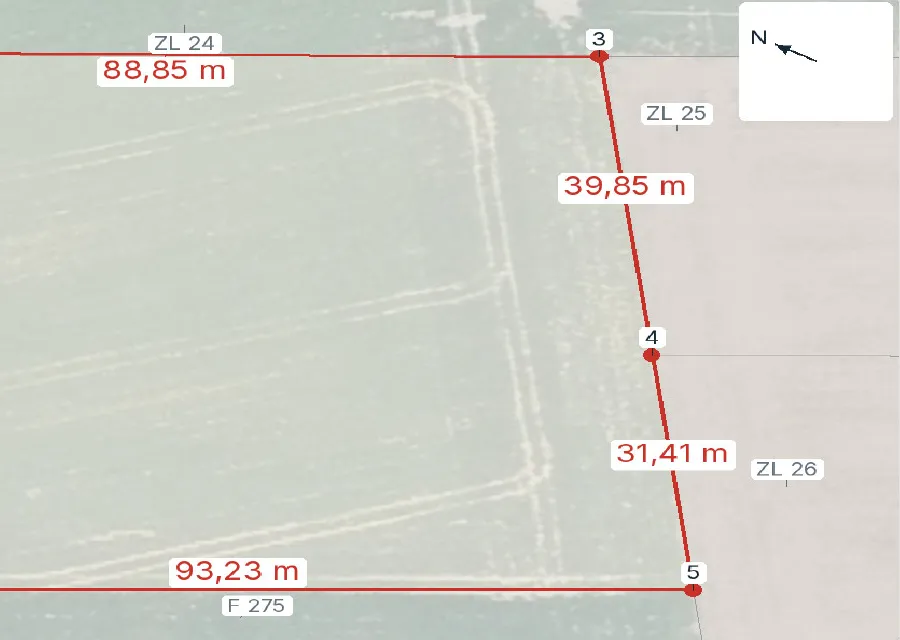
Sewer connection and the PFAC fee in France: duty, time limits and cost
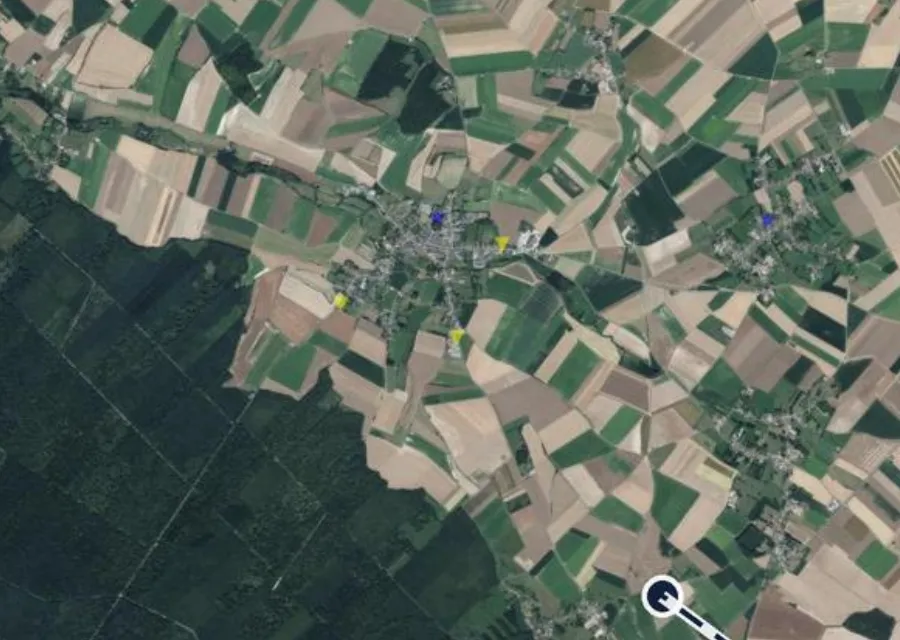
Soil studies in France (G1, G2, G5): when they are required, who pays and what they contain
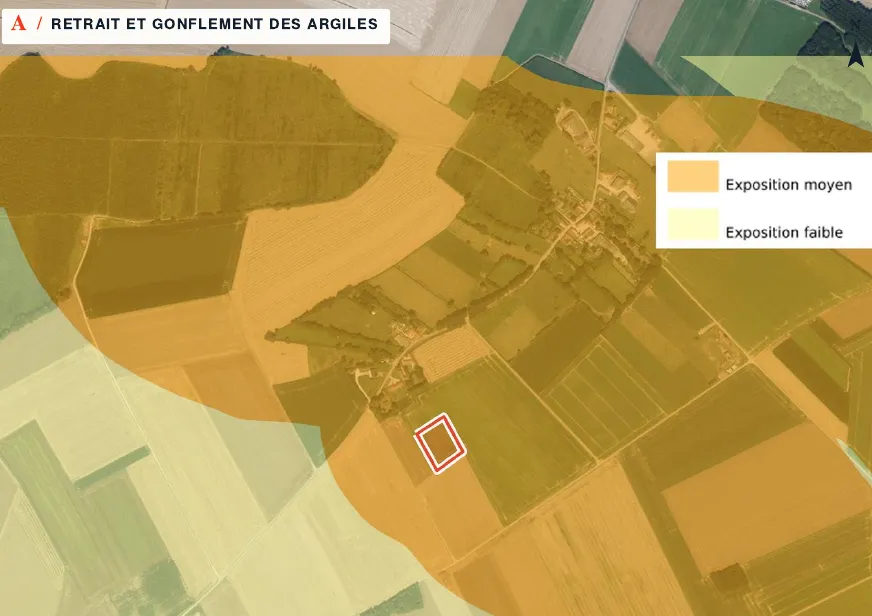
Clay shrink-swell hazard in France: reading the exposure map and what it means for building
Non-mains sewage and the Spanc in France: zoning, soil and the certificate before the building permit
Before you buy, see the ground and hazard background of the plot
Pick the parcel on the map. The report sets out the regional geology, clay soils, groundwater flooding, flood zones and the local planning rules that apply, each with its source and date and explained in English. It does not measure soil permeability or replace a study on the plot. Free check, PDF report for €29 (€39 in French and English).