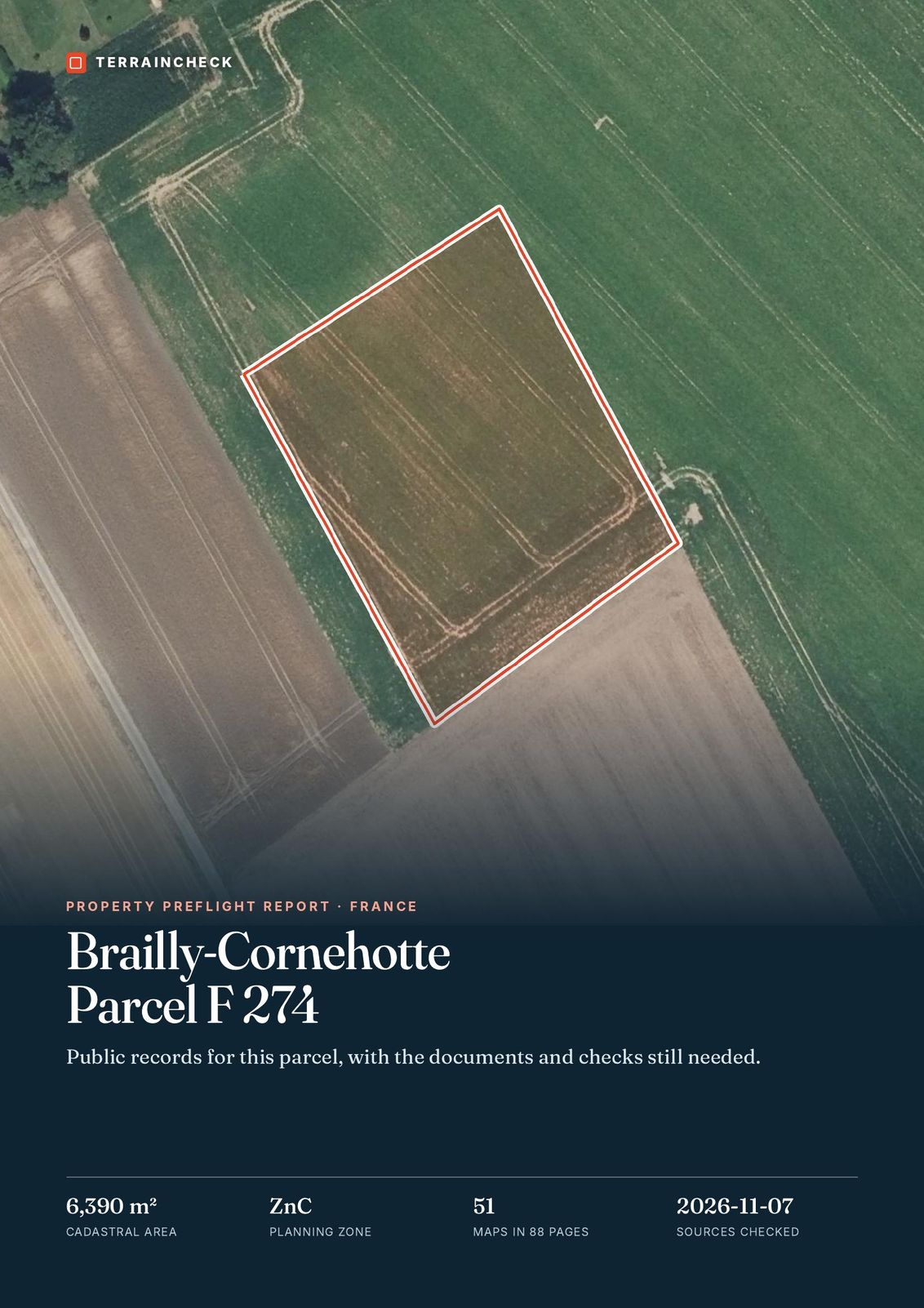
Pillar: Buying building land in France
Soil studies in France (G1, G2, G5): when they are required, who pays and what they contain
In mainland France, where land lies in a medium or high clay exposure zone, the seller of undeveloped building land must supply a preliminary geotechnical study (G1 type), attached to the preliminary sale contract, except where planning rules do not allow single-family houses, built alone or in a group (maisons individuelles; Construction Code, art. L132-5); a design study (G2 type) remains optional and is paid by the client who builds. First step: check the parcel’s zone on Géorisques and ask the seller for the study before you sign.
In brief
- Preliminary study at the sale, paid by the seller. In medium or high clay exposure zones, the seller of undeveloped building land supplies a preliminary geotechnical study (a G1 study done to the standard is presumed to meet the requirements), attached to the promesse de vente (the preliminary sale contract) or, failing that, to the final deed (art. L132-5). Exception: areas where planning rules do not allow single-family houses.
- Thirty years, with a condition. The preliminary study is valid for 30 years if the ground has not been reworked (art. R132-6). It stays attached to the title deed and passes to later buyers.
- G2: optional, paid by the client. In those zones, for a house with no more than two dwellings, the builder either follows a design study for the project or applies techniques set by ministerial order, unless the geotechnical study finds no risk of drought-related ground movement, in which case the builder is not bound (art. L132-7). If no study is attached to your title, you must supply an equivalent preliminary study or a design study (art. L132-6).
- Price: on a quote. There is no official scale. Have the quote state which study it covers and the boreholes planned, which the order of 22 July 2020 requires only “if needed”.
On this page
Two studies in the Code, and what each contains
The 2018 ELAN Act, now articles L132-4 to L132-9 of the code de la construction et de l’habitation (Construction and Housing Code), never says “G1” or “G2”. It creates two studies and leaves their content to a ministerial order. That order, of 22 July 2020, makes the link with the French standard NF P 94-500: a study carried out under it is presumed compliant. The G codes you will see on quotes come from that standard.
The preliminary geotechnical study (étude géotechnique préalable) makes a first identification of the site’s geotechnical risks (art. R132-4). Under the order it gives a preliminary geological model, the main geotechnical features of the site and general building principles. It includes desk research and a visit to the site and its surroundings, completed “if needed” by investigations, boreholes in particular.
The design geotechnical study (étude géotechnique de conception) takes account of where the house sits and how it is built. It sets building requirements suited to the soil and the project and ends with a summary file defining the measures to apply (art. R132-5 and order, art. 2).
| Study | Presumed equivalent | Who supplies it | Validity |
|---|---|---|---|
| Preliminary | G1, site study and general building principles phases | The seller of the land, at their cost | 30 years if the ground has not been reworked |
| Design | G2, outline design and project phases | The client, or the builder with the client’s consent; paid by the client | Only the project it was made for |
| G3, G4, G5 | Not referred to in the Code or the order | Depends on the contract | Not set by the texts cited |
The two ELAN Act studies and their equivalent in standard NF P 94-500 of November 2013, according to the order of 22 July 2020. Medium or high zones, houses of no more than two dwellings. Sources: Construction and Housing Code, art. R132-3 to R132-8; Order of 22 July 2020 on the content of geotechnical studies (version in force); Construction and Housing Code, art. L132-5; Construction and Housing Code, art. L132-6; Construction and Housing Code, art. L132-7; Ministry for Ecological Transition: Building on clay soil, rules and good practice (November 2021). Accessed 12 November 2026.
Who orders, who pays, who passes it on
At the sale, the preliminary study “is supplied by the seller” (art. L132-5), and the ministry’s leaflet states that it is “at the seller’s expense”. When land is sold in several lots, a single study can be attached to the title of each lot, provided the lots are clearly identified in it.
Before signing a building or project-management contract, the maître d’ouvrage (the client: you, if you are having the house built) passes the study to the builder. The contract must state that the builder received a copy and, where relevant, that the works include the measures the risk calls for (art. L132-6). If you choose a design study, you pay for it; the builder may also commission it with your consent (art. L132-7).
To check whether the land is in a zone concerned, read the exposure map on Géorisques, the state’s hazard portal, as explained in our guide to clay shrink-swell.
Situations that change the answer
| Situation | What the texts provide | Text |
|---|---|---|
| Land with no study attached to the title (bought before 1 October 2020, for example) | The client supplies an equivalent preliminary study or a design study | L132-6; order, art. 2-1 |
| Sale signed from 1 July 2026 | New zoning: land moved into a medium or high zone now falls under the rule | Ministry |
| Land divided into lots | A single study can follow each lot if the lot is clearly identified in it | 2021 leaflet |
| Ground reworked since the study | The 30-year validity no longer applies | R132-6 |
| Project changed | The design study only covers its own project | R132-6 |
| Extension, conservatory or garage | Outside the rules if under 20 m² and structurally separate from the building | R132-7 |
| Works that affect neither foundations, structure, water run-off nor heat exchange with the ground | Outside articles L132-6 and L132-7 | R132-7 |
| Resale of the finished house | The studies are attached to the promesse or the deed | L132-8 |
Special cases, for land in a medium or high exposure zone. Sources: Construction and Housing Code, art. L132-6; Order of 22 July 2020 on the content of geotechnical studies (version in force); Ministry for Ecological Transition: clay shrink-swell in construction (updated 9 April 2026); Ministry for Ecological Transition: Building on clay soil, rules and good practice (November 2021); Construction and Housing Code, art. R132-3 to R132-8; Construction and Housing Code, art. L132-8. Accessed 12 November 2026.
These articles set no specific penalty if the study is missing. So do not sign the promesse without it: the law requires it to be attached, and the notaire (the public notary who handles every French property sale) can tell you what follows in your case. The clauses of the preliminary contract are covered in our guide to the compromis.
G3, G4, G5: what official sources say
The Code and the order cover only two studies. The other missions of standard NF P 94-500, G5 included, depend on the contract with the geotechnical firm. The standard is a paid document and we do not quote its content.
An extract of its 2006 version, annexed to the Haute-Garonne clay risk prevention plan and published on Géorisques, calls G5 a “geotechnical diagnosis”: a one-off study of specific geotechnical elements, such as the geotechnical causes of damage, during a project or the life of a building. The 2013 text may differ: ask for the mission and its version to be stated on the quote.
The steps, from first contact to building
- Check the zone. Géorisques, clay map, at parcel level. Free; a few minutes (TerrainCheck estimate).
- Ask for the preliminary study before the promesse. From the seller or their agent, at the seller’s cost. The texts cited set no deadline; the ministry’s leaflet tells sellers to obtain it in good time.
- Read the study. Date (under 30 years), any reworking of the ground since, your lot identified, building principles in the conclusion. Go through it with your future builder (TerrainCheck estimate: an hour). If you do not read French, have it translated before you sign.
- Choose the route before the building contract. A design study on a quote from a geotechnical firm, with a delivery date written into the quote, or the order’s techniques applied by the builder. No legal deadline for the study.
- Keep the studies. They follow the land, then the house, at every sale (art. L132-5 and L132-8).
Each study is priced on a quote, with no official scale. The quote should say which study it covers (preliminary or design), which mission of the standard it refers to and which investigations are planned, since the order requires them only “if needed”.
More sales caught since 1 July 2026
The new zoning, set by an order of 9 January 2026, applies to promesses and deeds of sale of undeveloped building land and to contracts to build a single-family house (contrat de construction de maison individuelle) signed from 1 July 2026. Land shown as low exposure on the 2020 map and now in a medium or high zone must therefore come with the study if it is sold from that date.
The map covers mainland France (the ministry’s “territoire hexagonal”) at the scale of geological formations: only a study describes the soil of your land.
In the report: ground movements recorded around F 274
Before you sign
- Zone of the parcel read on the map in force since 1 July 2026.
- Medium or high zone: preliminary study attached to the promesse, less than 30 years old.
- Seller’s written confirmation that the ground has not been reworked since the study.
- Divided land: your lot identified in the study.
- Route agreed with the builder: design study on a quote, or the order’s techniques.
- Building contract: handover of the study recorded.
Common questions
Who pays for the G1 soil study when land is sold?
In a medium or high exposure zone, the seller of undeveloped building land supplies the preliminary study (art. L132-5), at their expense according to the ministry’s leaflet; a G1 study done to standard NF P 94-500 is presumed to meet it. It is not required in areas where planning rules do not allow single-family houses.
Is a G2 study compulsory to build?
Not in every case. For a house of no more than two dwellings in a medium or high zone, the builder follows a design study or applies the techniques of the ministerial order, unless the geotechnical study finds no risk of drought-related ground movement (art. L132-7). But if no preliminary study is attached to your title, you must supply an equivalent preliminary study or a design study (art. L132-6).
How long is a soil study valid?
The preliminary study is valid for 30 years if the ground has not been reworked; the design study is valid only for the project it was made for (art. R132-6).
How much does a soil study cost in France?
There is no official price: it is set on a quote from a geotechnical firm. The quote states the study covered and the boreholes planned, which the order of 22 July 2020 requires only if needed.
Keep reading
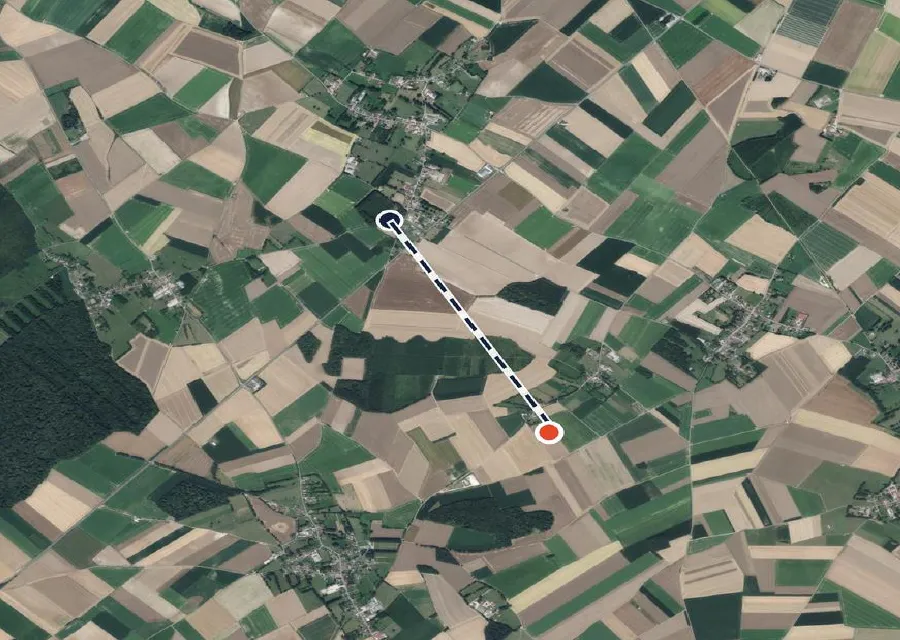
Underground cavities and old quarries under a plot in France: how to check before buying
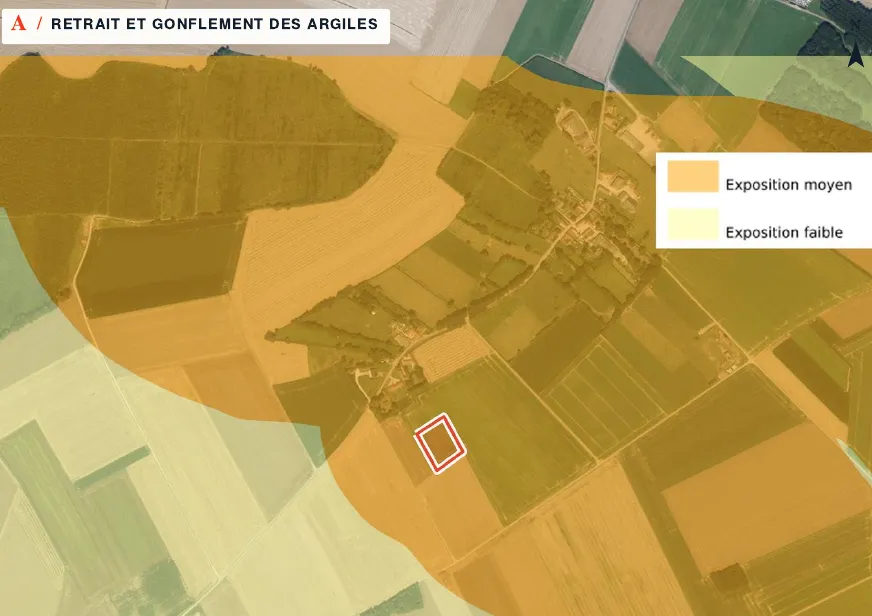
Clay shrink-swell hazard in France: reading the exposure map and what it means for building
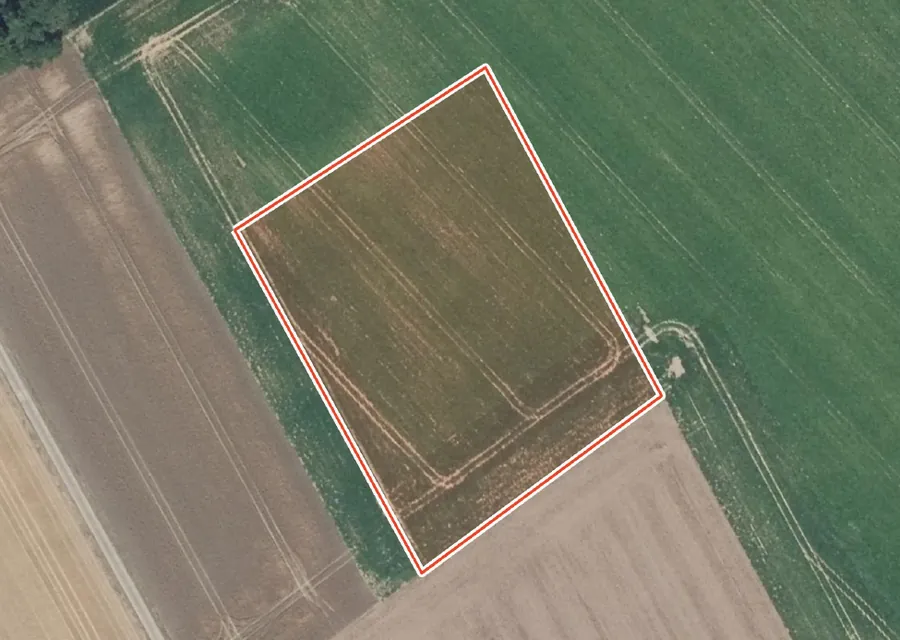
Compromis de vente for land in France: the clauses to check before you sign
Building permit in France: processing times, missing documents and tacit approval
Viewing land in France before you buy: what to look at and photograph
Before you ask for the study, see what the maps say about the land
Pick the parcel on the map: the report measures how much of the land lies in each clay zone and lists recorded ground movements and cavities, flooding and the planning zone, each with its source and date, explained in English. It does not replace a geotechnical study. Free preview, PDF report for €29 (€39 in French and English).